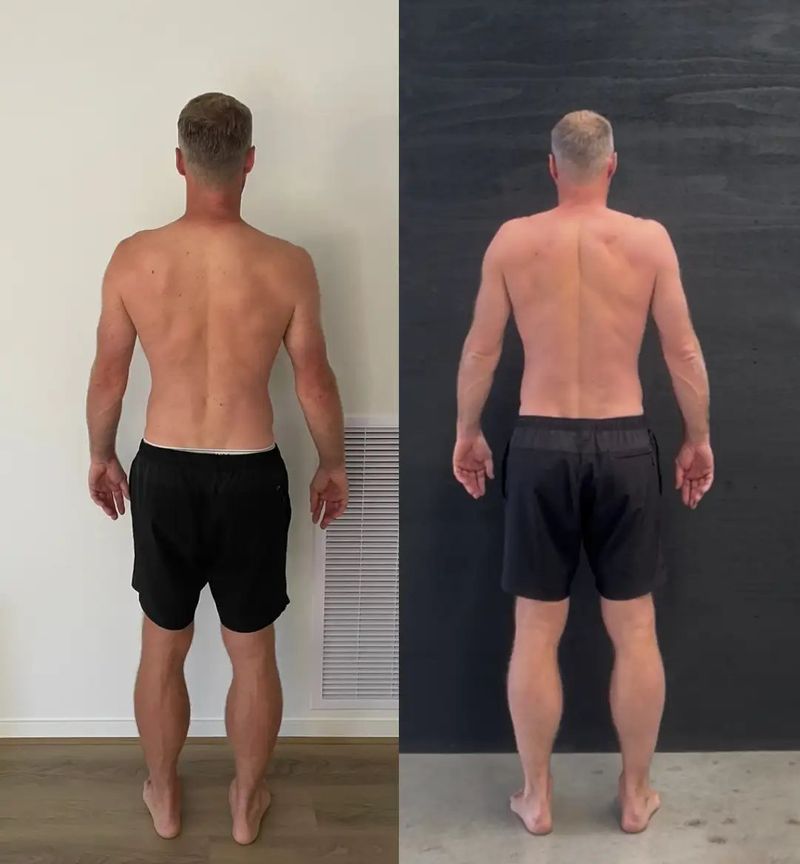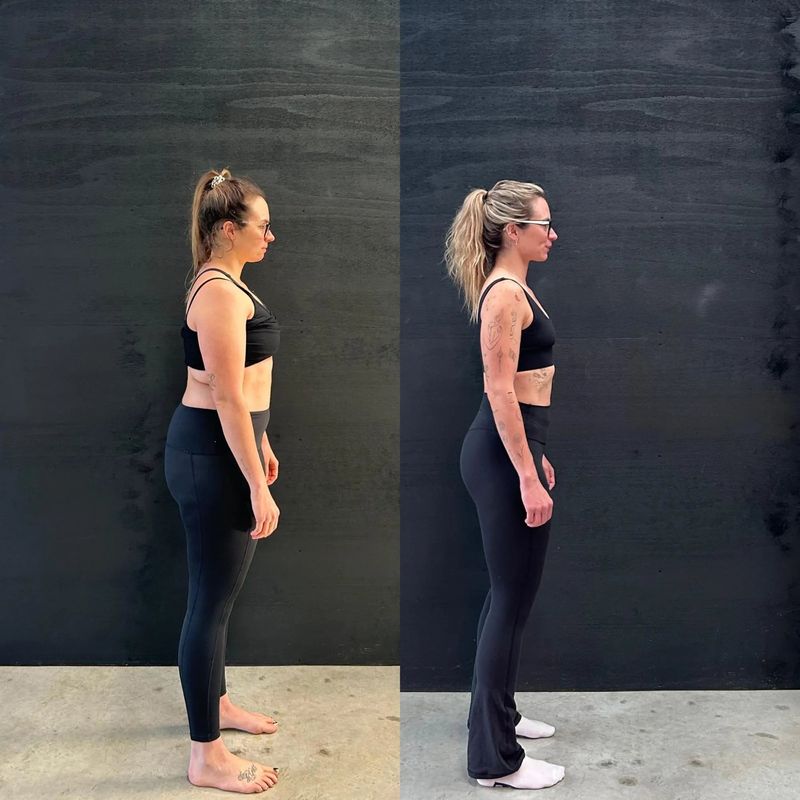
It is common to hear that exercise boosts your immune system. Research does support a relationship between regular physical activity and immune health. However, there's another important consideration that often gets overlooked: it's not just about how much exercise you do, but how well your body moves.
At Functional Patterns, we believe the objective of training should extend beyond simply increasing exercise volume, building muscle or improving cardiovascular fitness. It should be about improving the way your body functions as an integrated system, allowing you to move more efficiently and maintain physical health over the long term.
What the research shows
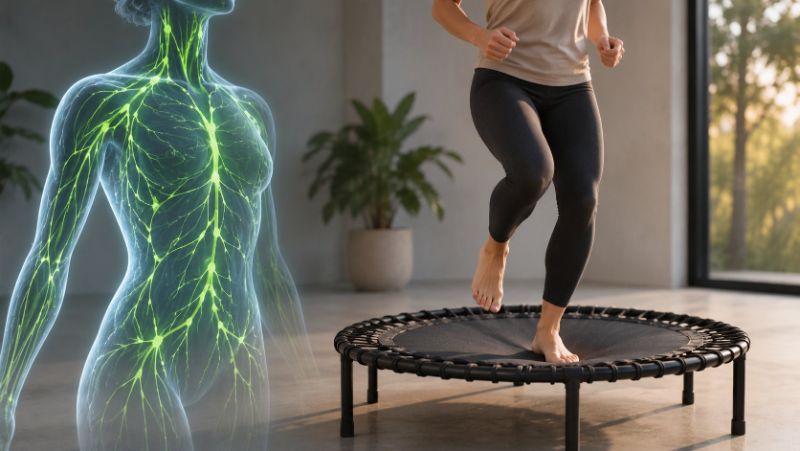
Research has found that people who engage in regular physical activity tend to experience fewer upper respiratory infections than those who lead predominantly sedentary lifestyles. Exercise also influences immune cell circulation, helps regulate inflammation and supports several processes involved in maintaining a healthy immune response.
However, exercise isn't automatically beneficial simply because you're doing it. The body must continually adapt to the mechanical demands placed on it, and the way those demands are distributed throughout the body matters.
This is where biomechanics becomes an important consideration. Developing better coordination, improving movement mechanics and distributing mechanical loads more effectively can help reduce unnecessary stress on particular joints and tissues.
While there isn't established evidence that correcting biomechanics directly improves immune function, we believe developing better movement capabilities is an important part of building a body that can remain physically active and healthy throughout life.
That does not mean exercise makes you immune to getting sick. It means regular movement is one of several things, along with sleep, food and stress, that help your body do its job.
Movement quality matters
The benefits in the research come from regular, moderate activity, week in and week out. A brutal session once a week, followed by days on the couch, is not the same thing.
The benefits of regular physical activity are well established, but we shouldn't measure the effectiveness of training purely by frequency, duration or intensity.
Repeatedly performing exercises without considering how the body is moving can reinforce existing movement strategies and place unnecessary demands on particular areas of the body.
Rather than simply doing more exercise, the objective should be to improve how the body coordinates movement and distributes mechanical loads.
For most people, that means focusing on:
- Developing better structural integration and coordination throughout the body
- Improving standing and walking mechanics
- Developing more efficient rotational movement
- Improving the body's ability to distribute mechanical loads
- Building physical capacity that supports long-term joint health
The goal isn't just to become better at exercising. It's to develop a body that is better equipped to handle the physical demands of everyday life.
Training when you feel run down
There is a difference between maintaining regular physical activity and pushing your body when it needs recovery. Training places demands on the body, and adequate recovery is an important part of adapting to those demands.
If you're feeling run down, experiencing poor sleep or struggling to recover between sessions, it may be worth adjusting your training rather than simply pushing through.
A sensible rule of thumb:
- Mild head cold, feeling otherwise fine: light movement, such as walking, may be appropriate.
- Feeling unusually fatigued or run down: reduce training intensity and prioritise subtle corrective exercises or myo-fascial release, or rest.
- Fever, body aches, chest symptoms or feeling generally unwell: avoid training and allow your body to recover.
Remember, consistency doesn't mean pushing through every session regardless of how you feel. Sometimes the most productive thing you can do for your long-term health is give your body time to recover. If symptoms are concerning or persistent, speak to your GP.
Where we come in
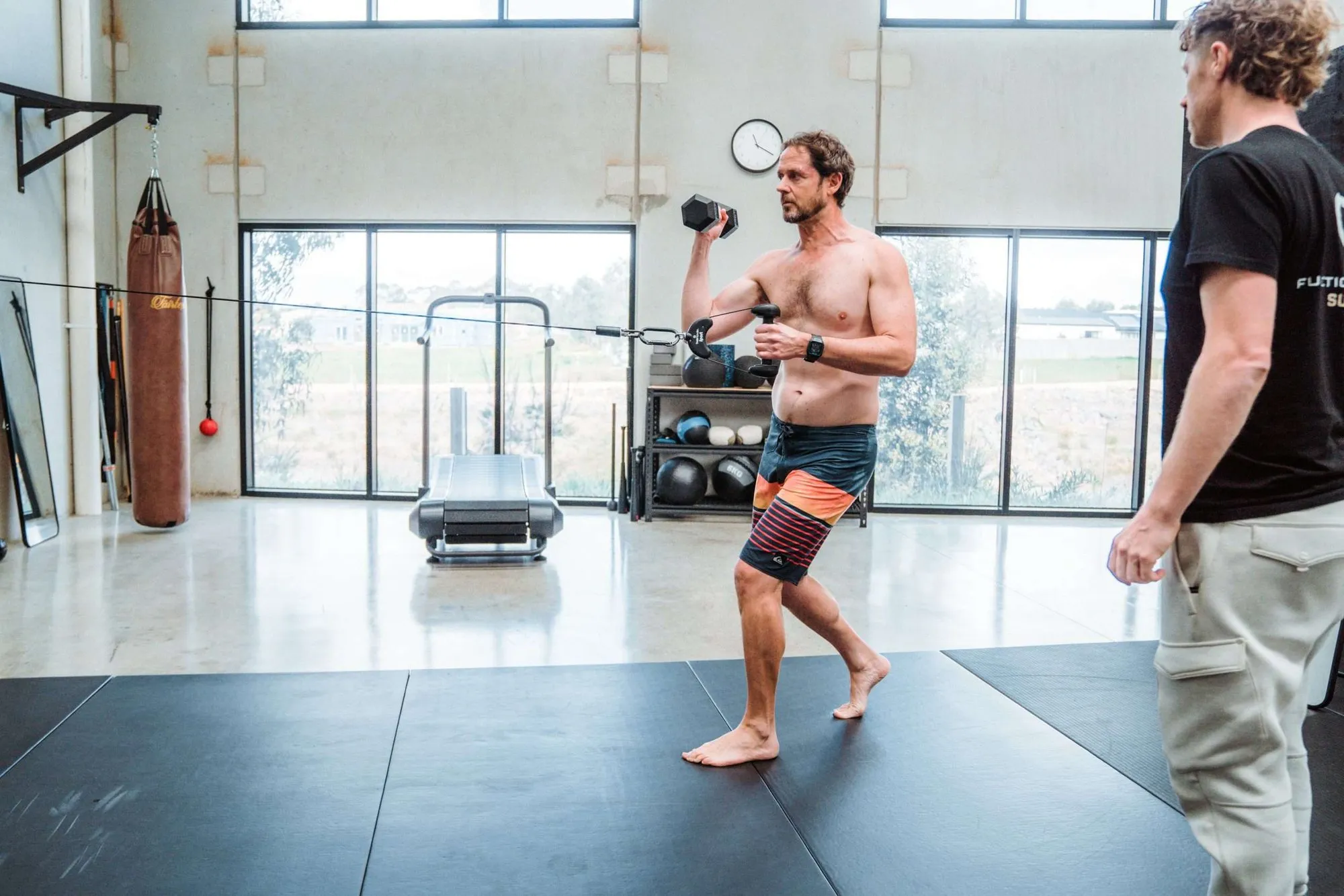
At our Torquay studio, the focus is on developing better movement mechanics through an individualised approach to training.
We assess how your body moves, identify areas where movement coordination and mechanical load distribution can be improved, and develop a training approach that works towards better structural integration.
The objective is to help you build a body that can stand, walk, run and throw more efficiently, while developing the capacity to maintain those functions long term.
If you're interested in improving the way your body moves, click the link below to book an assessment with us.
This article is general information, not medical advice. Exercise is one of several factors that contribute to immune health. If you have an existing health condition or are frequently unwell, speak to your GP before starting a new training program.