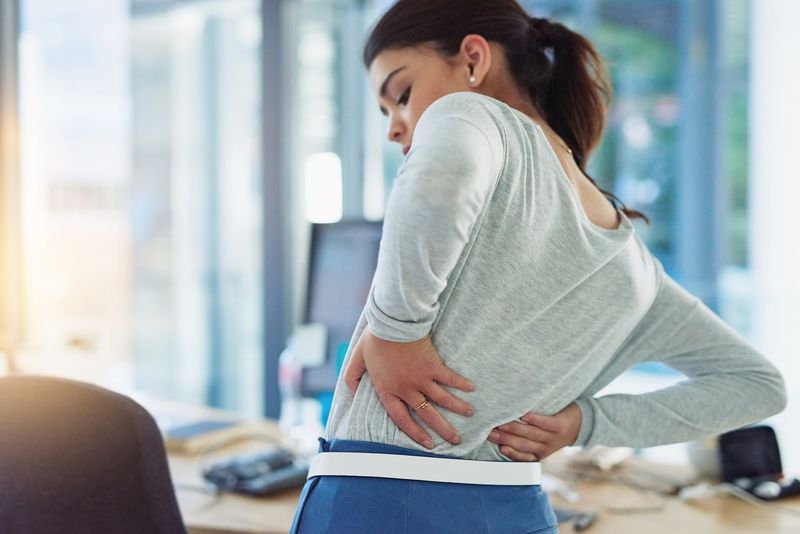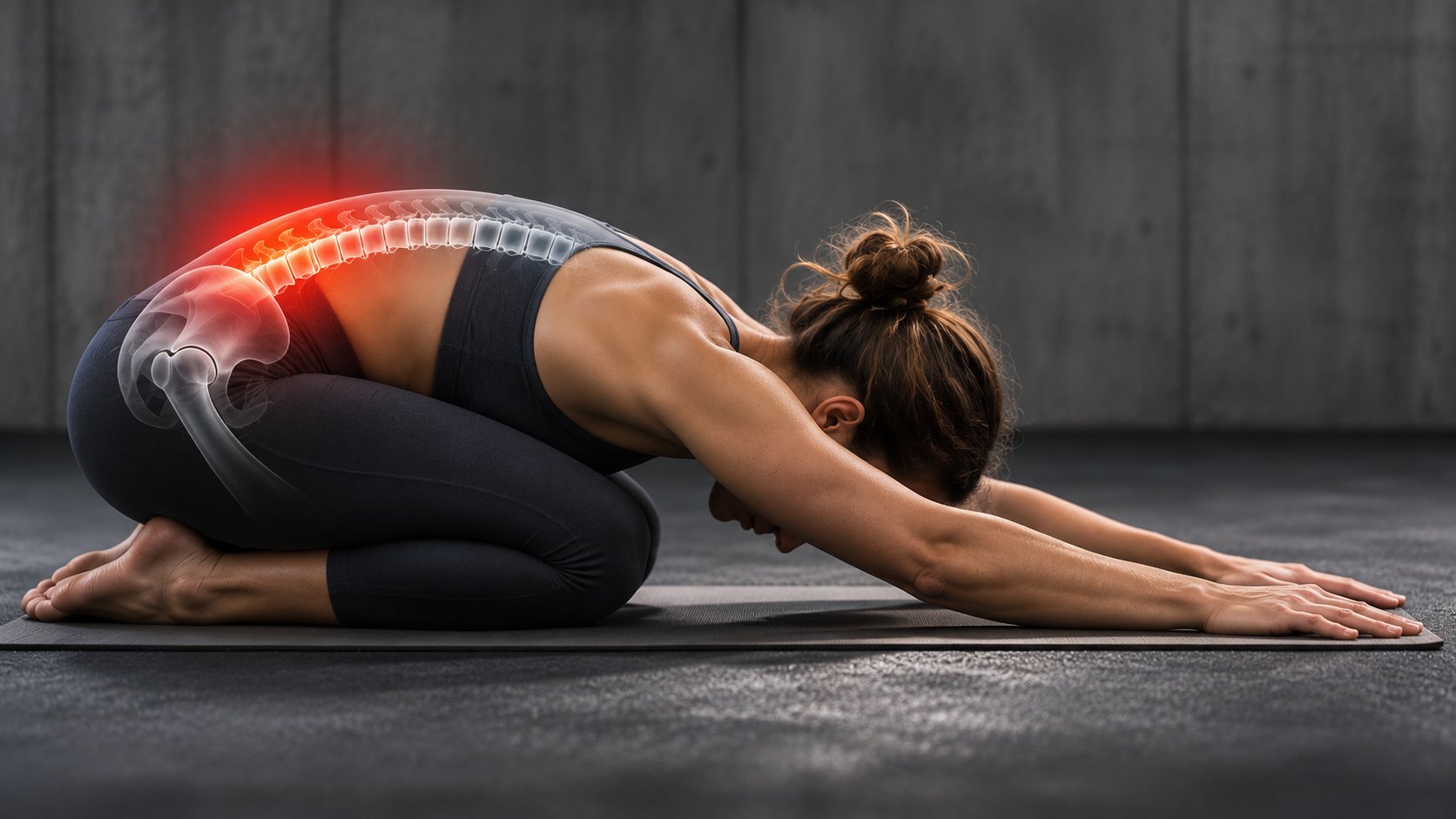
If your lower back feels tight, stretching it is the obvious thing to try. Knees to chest, a twist on the floor, touching your toes. Often it feels good, for a while.
Then the tightness comes back, and you stretch again.
Why stretching feels good
Stretching can ease the feeling of tightness for a short time. That relief is real. But a back that feels tight is often not short. It may be working hard to hold you up because something else is not doing its share.
When that is the case, stretching it can bring short term relief without changing why it got tight in the first place. We explain more in Why should I avoid stretching?
What often sits behind a tight lower back
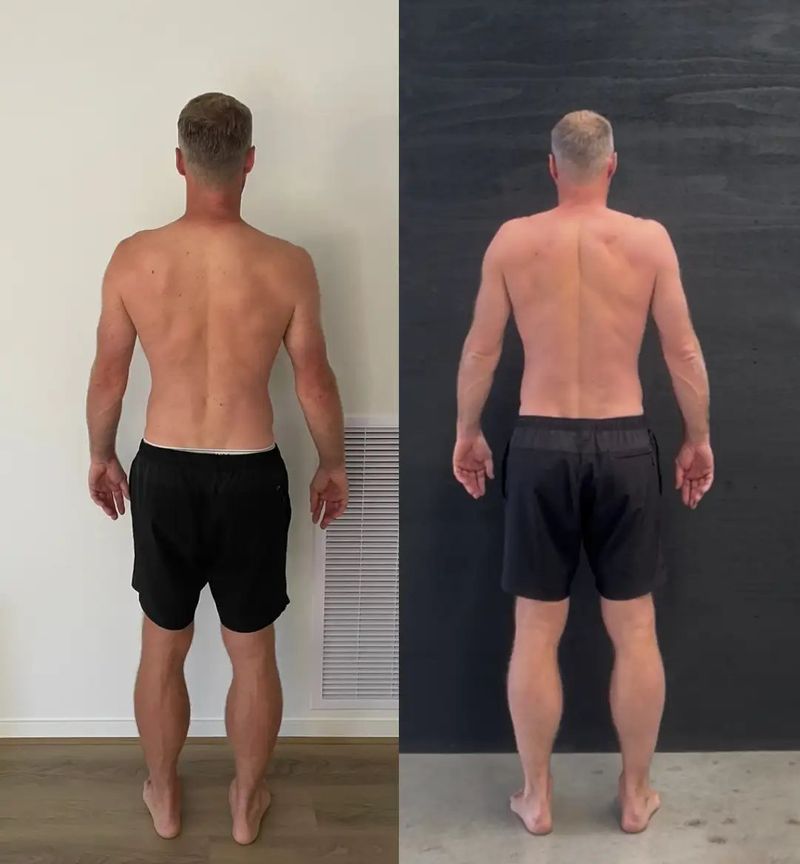
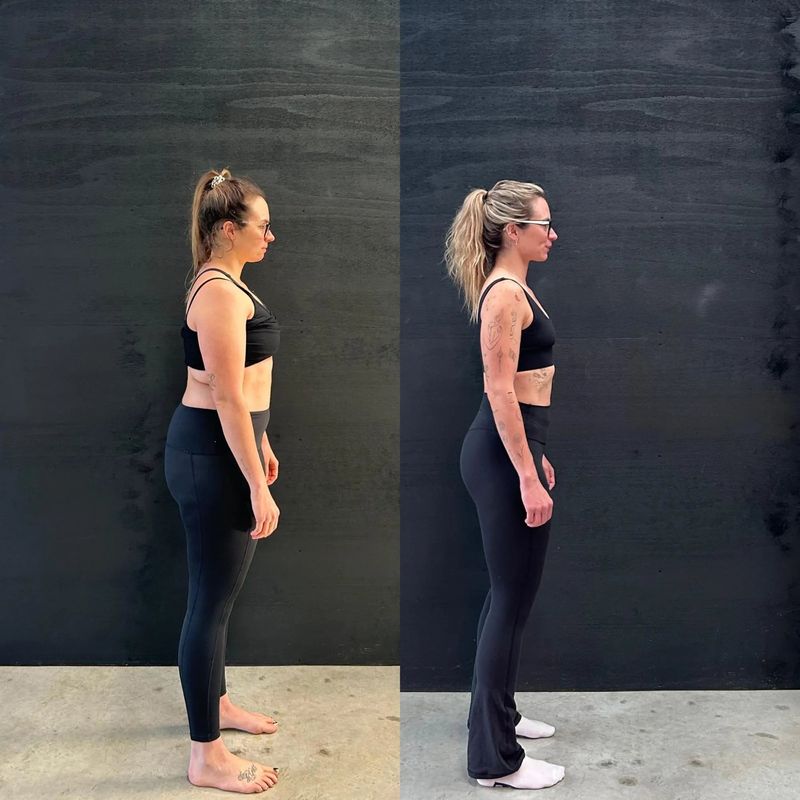
- Your posture. How you stand can have a huge impact on your back feeling tight, for example if you stand with hips that shift forward you will likely not be using your glutes or lower core to maintain a strong upright posture and instead be relying on compression in the lower back to stabilise yourself.
- How you walk. * If you’re posterior chain muscles (glutes. Hamstrings, calves) are not driving you forward through gait efficiently along with your core not being there to provide the oppositional tension and support then your lower back can end up doing extra work with every step.
- How your pelvis sits. A pelvis that tips forward, known as anterior pelvic tilt. Or conversely a pelvis may be overly posteriorly tilted, (another issue that is often overlooked). These can both lead to lower back pain and tightness.
- Not enough rotation. Your trunk is built to turn. When the spine and hips stop rotating well together the lower back can overcompensate to pick up the slack.
- Long periods of sitting. Sitting itself is not the enemy, but sitting for hours without a break often is.
What to try instead
- Assess your walking. So that you can understand your own patterns and work to change them rather than following generic routines that often miss the mark
- Myo-fascial release. This can help to release the tight/restricted areas of concern and enable your body to more easily make the changes it needs through our training protocols.
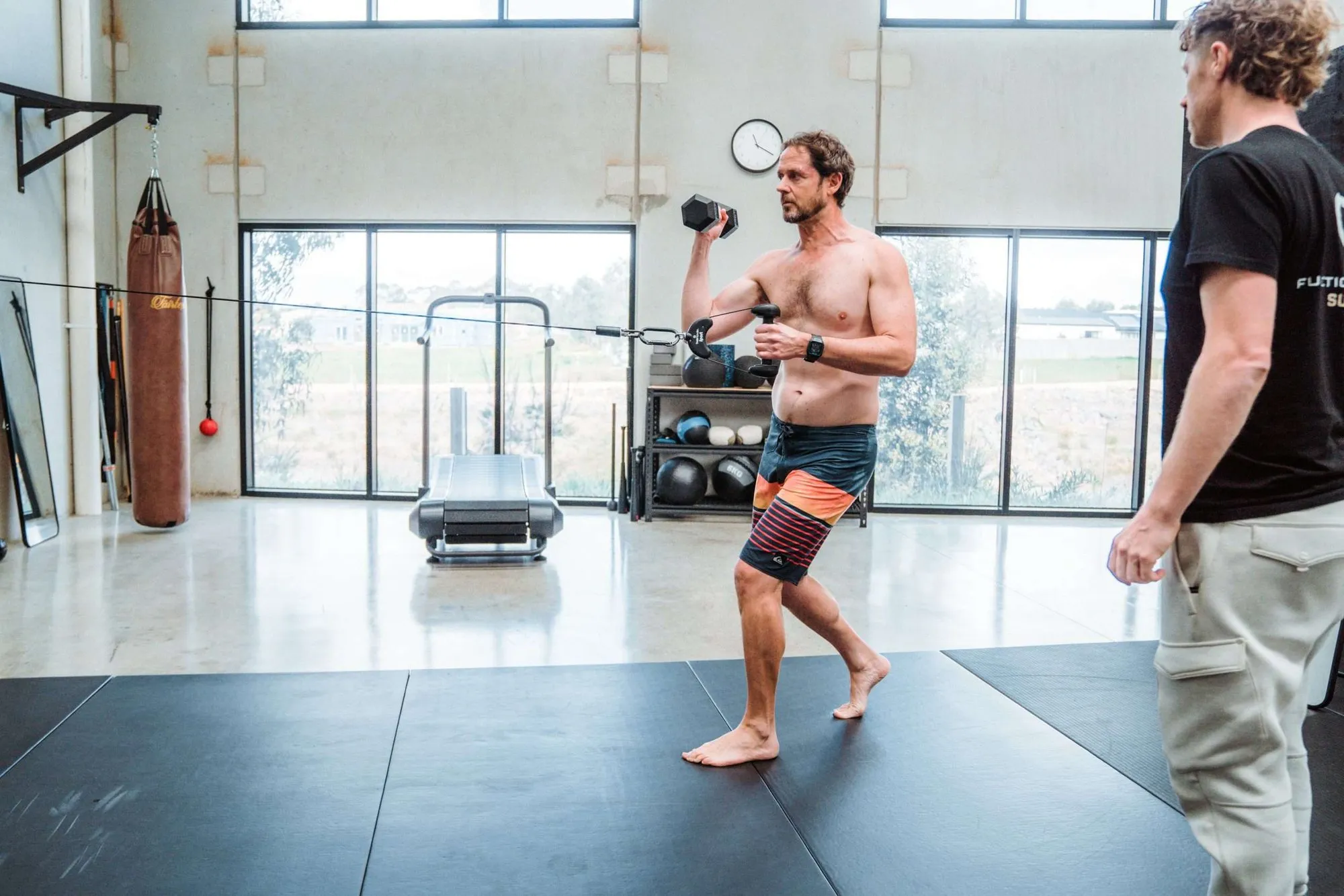
- Train the movements we use the most. Standing, walking, running and throwing form the base of our movement needs. Train these in a way that helps to re-program and re-organise how your body performs them.
When to see a GP
See your GP straight away if back pain comes with numbness in the groin or legs, changes to bladder or bowel control, fever, unexplained weight loss, or follows a fall or accident.
For people across the Surf Coast and Geelong with back pain that keeps coming back, our chronic pain page explains how we work, starting with how you move.