Group Classes · Coming soon
Myofascial Release Classes
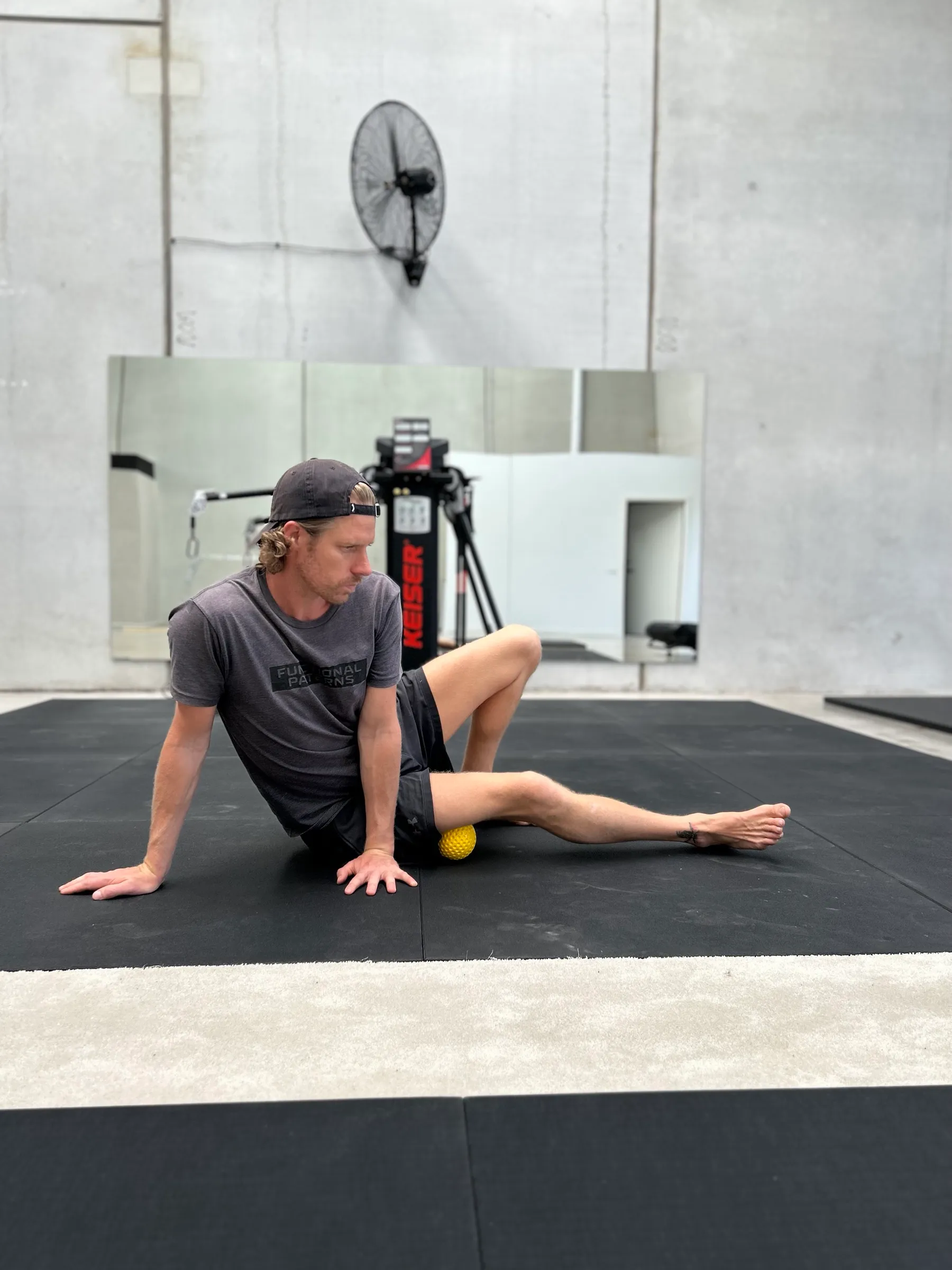
Coming soon. Release class, in this class we utilise tools and techniques to disperse tension, assist in pain management and break up areas of tissue in the body that inhibit functional motion and mechanical propulsion.
Myofascial Release
Reduce pain and speed up your progress
Coming soon. This class is not running yet.
Release class, in this class we utilise tools and techniques to disperse tension, assist in pain management and break up areas of tissue in the body that inhibit functional motion and mechanical propulsion.
Myofascial release is a great way to reduce pain, improve circulation and blood flow, speed up training progress and recovery, maintain neuromuscular efficiency and decrease stress overall. This is a great class to join if you sit for long periods throughout the day, are in pain, and improve your training progress.
Related reading
What is fascia, and more
Can I claim training on private health?
Some private health funds pay a benefit towards exercise programs under their extras cover. It depends on your fund and your level of cover, so check with them first.
Read more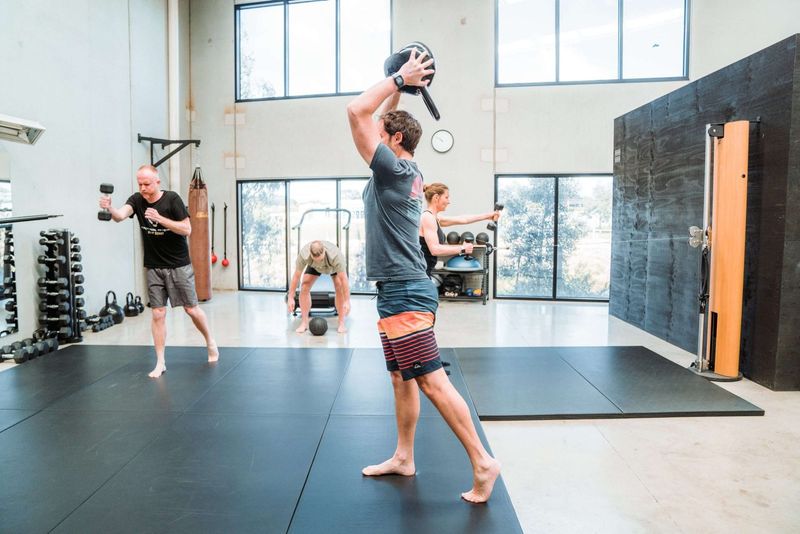
Can I combine Functional Patterns with other training methods?
The best results we see come from those that adhere to our protocols 100%. Initially you will be taking a leap of faith (so to speak) as it is a new way of going about training.
Read more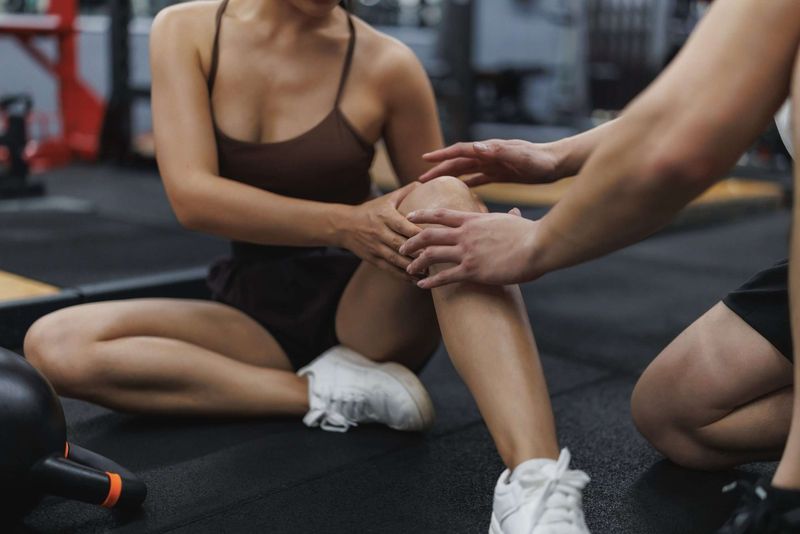
Can I train with injuries?
In short, yes. Injuries are one of the most common factors that drive poor biomechanics as our body seeks to compensate around the injury in order to minimise pain and inflammation.
Read more
How long will it take to get the results I want?
This is a difficult question to answer but is probably one of the most common one asked.
Read more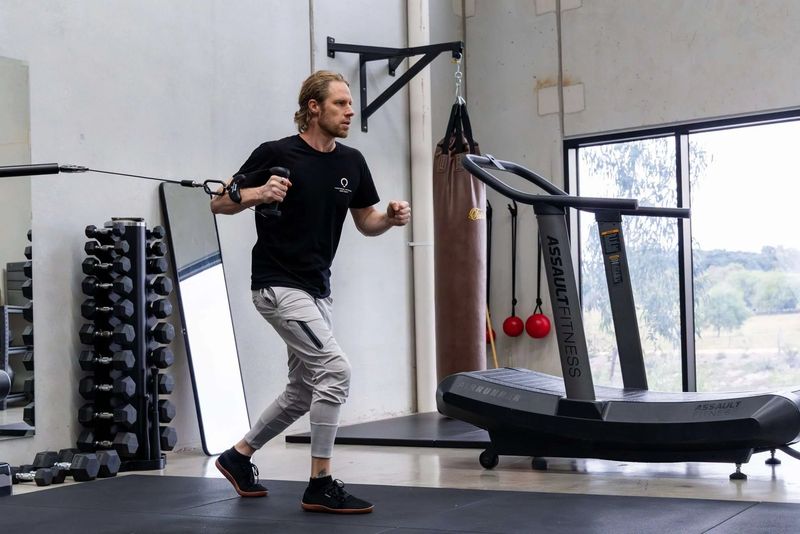
How often should I train?
The ideal frequency of training we recommend is 2x one hour sessions per week, spaced 2 or 3 days apart, and at a minimum we recommend training once per.
Read more
What are biomechanics?
Biomechanics is the science of movement in relation to biological organisms. The study of human biomechanics allows us to identify trends that are correlated to peak athletic performance.
Read more