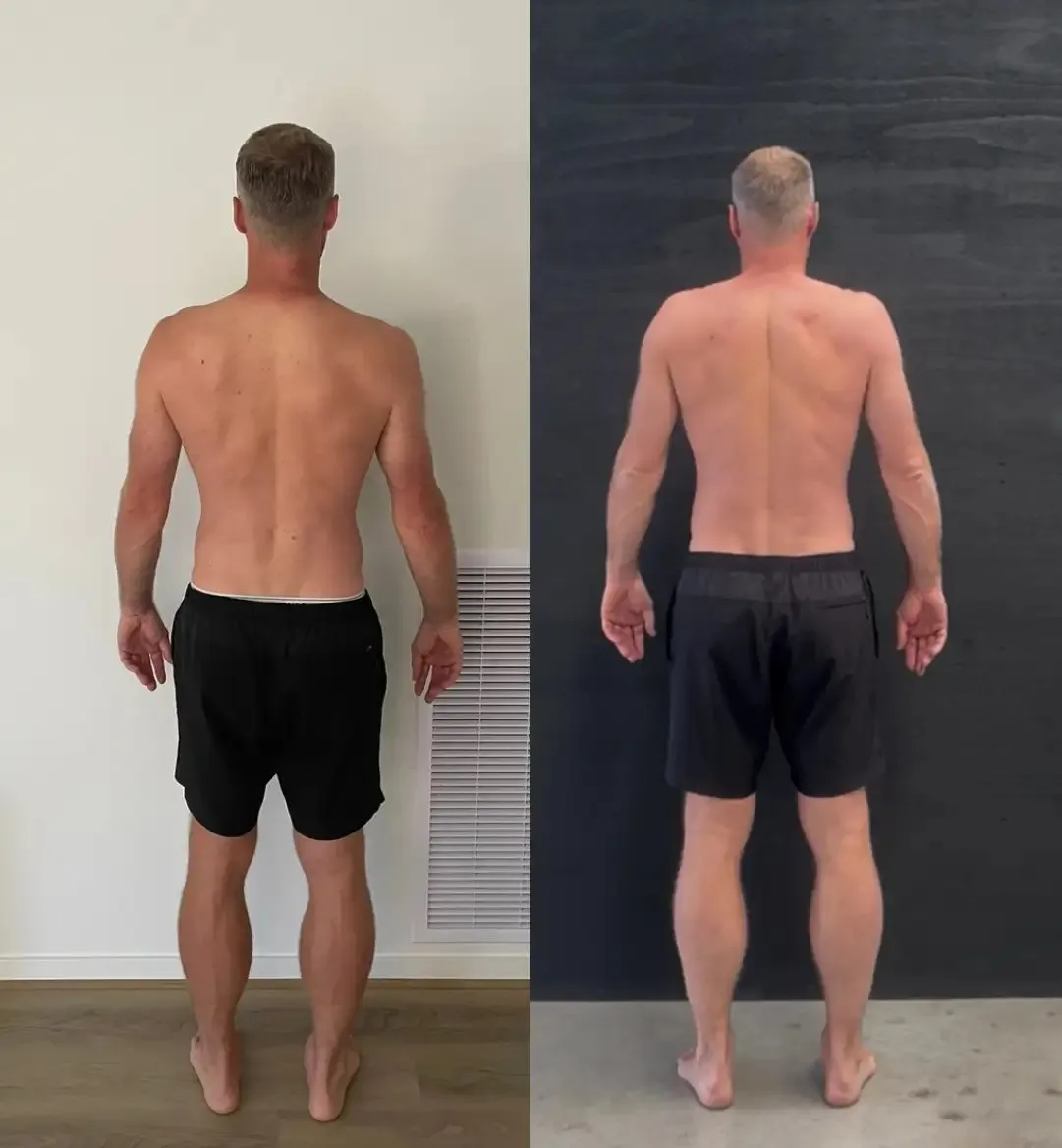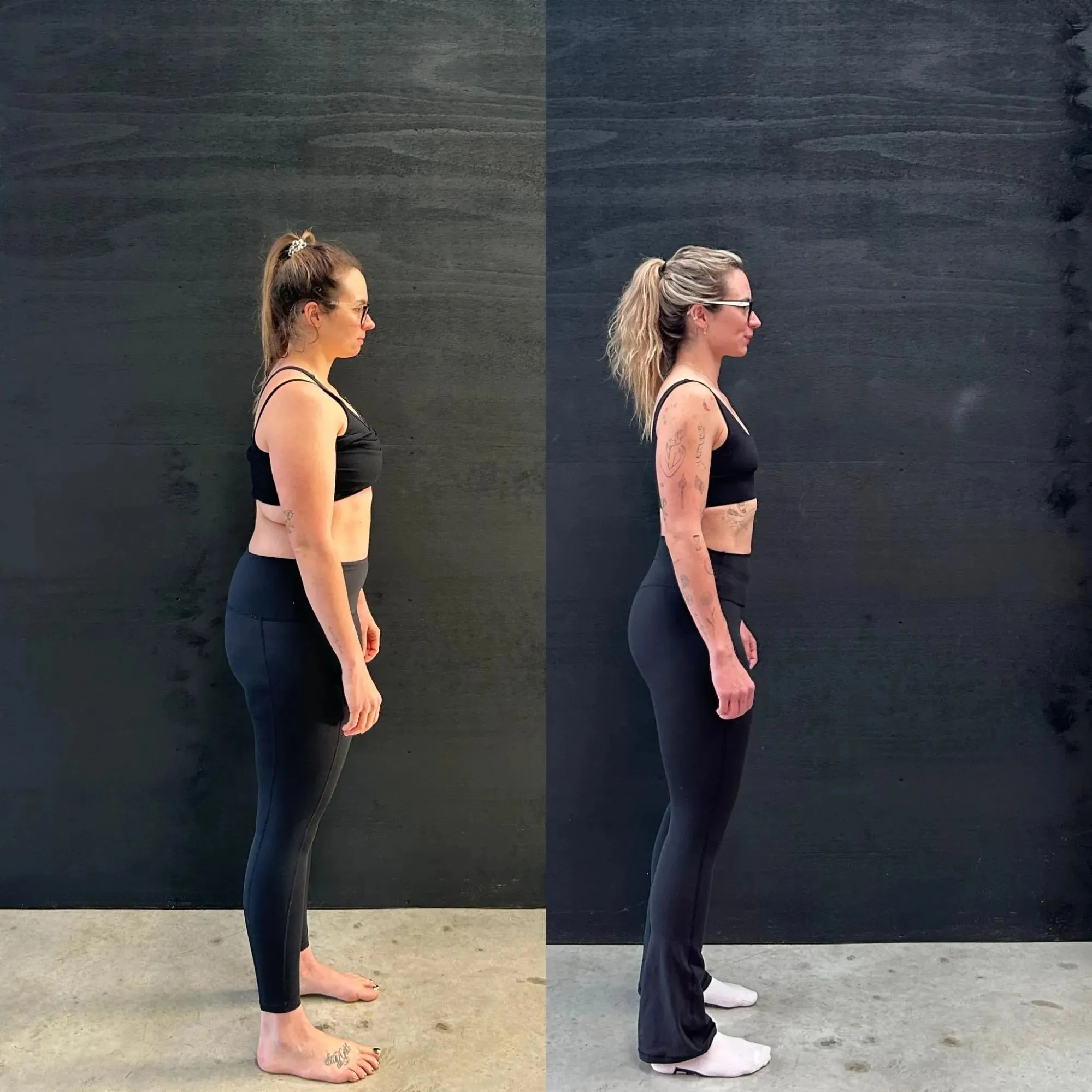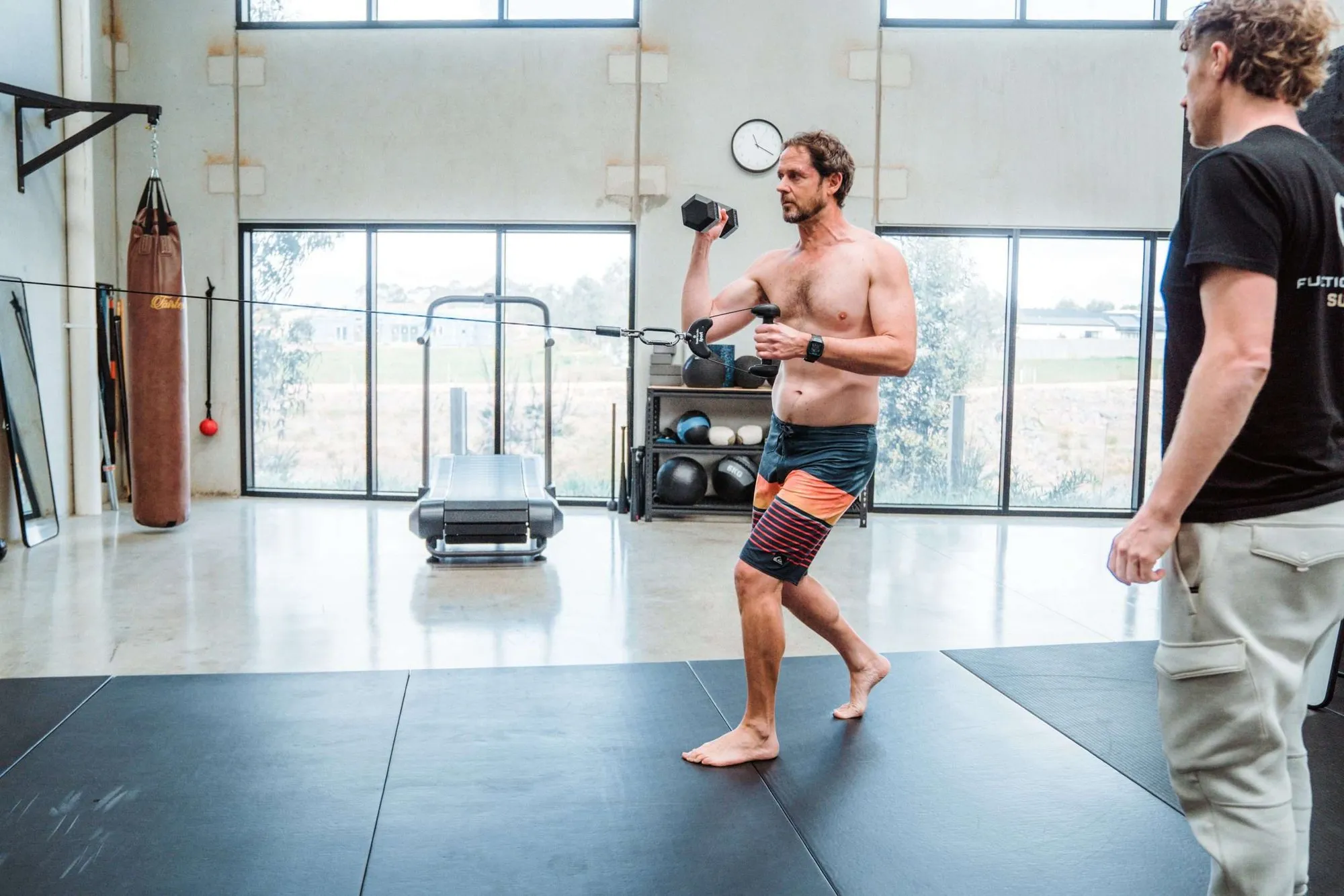
If you’ve searched “how to fix bad posture,” chances are you’re feeling one of three things:
- Persistent neck or back tension
- Fatigue from trying to “sit up straight” all day
- Frustration that nothing seems to stick
You might have tried stretches. You might have tried posture braces. You might even be consciously pulling your shoulders back as you read this.
And yet, your posture keeps reverting.
Here’s why.
Bad posture isn’t a willpower issue. It’s a movement pattern issue.
At Functional Patterns Surf Coast, we don’t treat posture as something you hold. We treat it as the outcome of how your body organises itself under gravity.
Fixing bad posture means changing that organisation.
What “Bad Posture” Actually Means
Bad posture is not just rounded shoulders.
It usually reflects:
- Pelvic rotation or tilt
- Rib cage compression
- Reduced thoracic rotation
- Limited hip internal rotation
- Asymmetrical weight distribution
- Compensated breathing patterns
In other words, posture is a structural pattern, not just a muscular imbalance.
If the structure hasn’t changed, posture won’t change.
Why Trying Harder Doesn’t Work
Many people believe fixing bad posture means:
- Sitting upright
- Tightening their core
- Retracting their shoulder blades
But forcing yourself into position creates tension, not integration.
The body doesn’t maintain positions long-term through conscious effort. It maintains positions through efficient load distribution.
If your gait pattern, sitting habits or training reinforce asymmetry, your posture will revert the moment attention drops.
Posture must become automatic, not forced.
The Real Question: How Is Your Body Managing Load?
If you want to fix bad posture, the first step isn’t stretching.
It’s understanding:
- How do you walk?
- Which hip do you load more heavily?
- Does your rib cage expand evenly?
- Do you rotate symmetrically?
Posture reflects your relationship with gravity and ground reaction forces.
When load distribution improves, posture reorganises.
Conceptual Foundations of Posture Correction
Rather than prescribing exercises, it’s more useful to understand what actually drives change.
1. Alignment Is Dynamic
Good posture isn’t a static pose. It’s your ability to remain balanced while moving.
Fixing bad posture means improving how your pelvis, rib cage and spine coordinate during walking, lifting and rotating.
2. Movement Quality Precedes Position
If your movement patterns are asymmetrical, holding “good posture” won’t override them.
Structural improvement comes from repetitive, integrated movement, not isolated correction drills.
3. Breathing Influences Structure
Many people with bad posture have altered breathing patterns. Rib cage compression and shallow breathing reinforce spinal stiffness and shoulder elevation.
Improving posture often requires restoring rib cage expansion and balanced respiratory mechanics.
This is rarely discussed in mainstream posture advice.
Surf Coast Lifestyle and Postural Patterns
Living on the Surf Coast shapes posture in subtle ways.
Surfing demands rotation and paddling endurance. Desk work compresses the front of the body. Driving long distances reinforces flexion.
None of these are inherently harmful.
But without structured, corrective strength work, these patterns accumulate.
Fixing bad posture on the Surf Coast isn’t about avoiding activity, it’s about balancing it.
Injury Prevention and Posture
Bad posture becomes a problem when:
- Load accumulates unevenly
- Certain joints absorb repetitive stress
- Muscles remain chronically shortened or lengthened
Over time, this can contribute to:
- Neck pain
- Shoulder irritation
- Lower back discomfort
- Reduced athletic output
True posture correction supports injury prevention because it redistributes stress.
Why Generic “Posture Exercises” Don’t Hold
If you’ve read our article on exercises to improve your posture, you’ll know that posture isn’t fixed through a checklist.
Without understanding your individual structure, generic drills can reinforce compensation.
What works for one person can worsen asymmetry in another.
Fixing bad posture requires context.
A More Effective Way to Think About Fixing Bad Posture
Instead of asking:
“What exercise fixes my posture?”
Ask:
“How can I improve how my body handles gravity and force?”
Because posture is the visible result of internal mechanics.
When:
- Pelvic alignment improves
- Rib cage expansion normalises
- Rotational control becomes symmetrical
- Gait becomes efficient
Posture follows.
Not because you’re trying harder, but because the structure supports it.
When to Seek Guidance
If you’re experiencing:
- Persistent discomfort
- Visible asymmetry
- Recurrent injury
- Frustration with failed posture attempts
An assessment may be more valuable than another stretch routine.
At Functional Patterns Surf Coast, we evaluate:
- Body alignment
- Rotational bias
- Gait mechanics
- Load transfer patterns
Posture correction begins with understanding structure, not guessing.
Final Thoughts
How do you fix bad posture?
Not by sitting up straighter. Not by forcing your shoulders back. Not by copying random exercises online.
You fix bad posture by improving how your body organises movement under load.
Posture is an outcome, not a position.
If you’re on the Surf Coast and want lasting change, start with understanding your movement patterns.
The goal isn’t to look straighter.
It’s to move more efficiently, and let posture take care of itself.